

Most falls do not happen on ice or on a ladder. They happen on the way to the bathroom at two in the morning, on a rug that has been in the same spot since 1998, on the one basement step that sits half an inch lower than the rest. Those are the ones worth fixing this month, and almost all of them are fixable in a weekend.
Start With the Numbers, Then Stop Reading Numbers
The CDC reports that more than one in four adults over 65 falls each year, and that fewer than half tell their doctor about it. About three million older adults end up in an emergency department after a fall annually, and roughly a million are hospitalized. Falling once doubles the odds of falling again.
That last figure is the one that matters for your family. A fall usually turns out to be the start of a pattern rather than one bad afternoon, and the window to interrupt it opens the first time your mother mentions she "slipped a little" and waves it off.
The Bathroom and the Stairs Come First
If you only get two hours this weekend, spend them here. These two rooms account for a disproportionate share of serious falls, and both respond well to cheap fixes.
In the bathroom:
- Install grab bars beside the toilet and inside the shower, anchored into studs or with proper anchors. A towel bar will pull out of the wall under body weight and has sent plenty of people to Jersey Shore emergency rooms
- Put a rubber mat or adhesive strips in the tub, and a non-slip mat outside it
- Add a shower chair and a handheld shower head if standing for a full shower has gotten difficult
- Raise the toilet seat or add a frame with arms if getting up requires a pull on the sink
On the stairs:
- Make sure there is a handrail on both sides, running the full length, and that both are tight
- Mark the top and bottom step edges with contrasting tape, since depth perception is often the first thing to go
- Clear the stairs entirely. The pile of things waiting to go up is a hazard, not a system
- Check the lighting at both the top and the bottom, with switches at each end
The Fixes That Cost Under a Hundred Dollars
Nothing on this list requires a contractor:
- Remove the throw rugs. All of them. This is the single most common argument we have with clients, and the single most effective change in the house
- Add motion-sensor night lights along the path from the bedroom to the bathroom. Plug-in units cost a few dollars each and remove the need to find a switch in the dark
- Fix the shoes. Backless slippers and stocking feet on hardwood cause falls. Closed-back shoes with a real sole, worn indoors, prevent them
- Move the daily items to waist height. If the cereal is on the top shelf, someone is climbing on a chair when nobody is watching
- Put a phone in every room they spend time in, or get a wearable alert button. The danger after a fall is often the hours spent on the floor, not the fall itself
- Tape or reroute the cords running along walls and under furniture legs
- Check the chair heights. A low, soft armchair that requires three attempts to escape is a fall risk and also the reason someone stops getting up for water
What October Changes in a Jersey Shore Home
Autumn shifts the risks in specific ways here, and the calendar is a useful prompt.
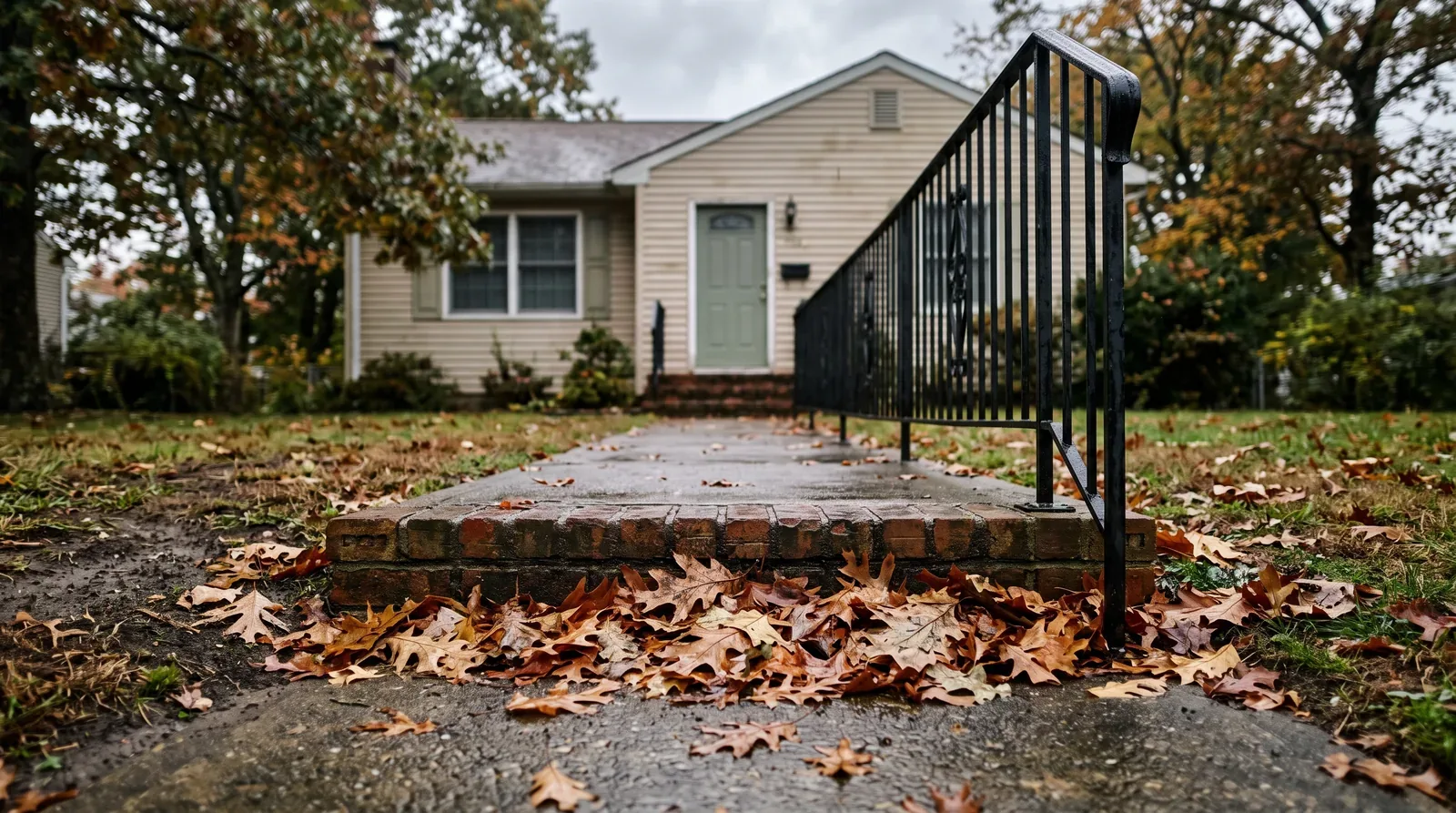
Wet leaves on a walkway or deck are as slick as ice, and they pile up fastest along the shaded north side of a house. Sweep them, or arrange for somebody to. Nobody over 70 should be on a ladder clearing gutters, and that includes the man who cleared them every October for forty years. Hire it out.
Daylight saving time ends November 1 this year, which means dusk arrives before dinner. Anyone still driving to a five o'clock appointment is now driving home in the dark, and the interior of the house goes dim at four in the afternoon. Put the lamps on timers now instead of in December.
The heating season brings its own list. Space heaters add cords across the floor and hot surfaces at shin height, long robes and blankets catch on furniture corners, and the windows stay shut all season, which matters if there is a gas range or an aging furnace in the house. Test the smoke and carbon monoxide detectors while you are already walking through.
The Risks That Are Not About the House
Some of what causes a fall is not in the hallway at all.
Medications are near the top of the list. Blood pressure medication, sleep aids, and anything that causes drowsiness or dizziness can turn a safe house into an unsafe one, particularly when a dose is taken at a new time or a new prescription joins the pile. Bring every bottle, including over-the-counter items, to the next doctor's appointment and ask directly which of them affect balance.
Vision changes count too. An outdated eyeglass prescription, an untreated cataract, or bifocals worn on stairs all distort where the next step actually is. So does dehydration, which is more common in older adults than most families realize and shows up as lightheadedness on standing.
Then there is the quiet one: a person who has already fallen once starts moving less because they are afraid of falling again. Less movement means weaker legs and worse balance, which makes the next fall more likely. Fear of falling is itself a risk factor, and the answer is more supported activity, not less.
When Fixing the House Is Not Enough
There is a point where the grab bars are installed, the rugs are gone, and someone still is not safe alone all day. Usually the tell is a pattern rather than a single event: two near-misses in a month, a bruise nobody can explain, or a parent who has started sleeping in a recliner because the stairs have become a problem.
At that point the fix is a person in the house during the hours that carry the most risk, which for most families is mornings around bathing and dressing and evenings around dinner. Our aides are trained in fall prevention, and our safety and wellness check-ins exist for exactly this: consistent eyes on someone who is mostly independent but not entirely.
Every free in-home consultation we do includes a walk through the home to spot the obvious hazards, the rugs, the lighting, the bathroom access, the stairs. You do not have to hire us to get that walkthrough.
